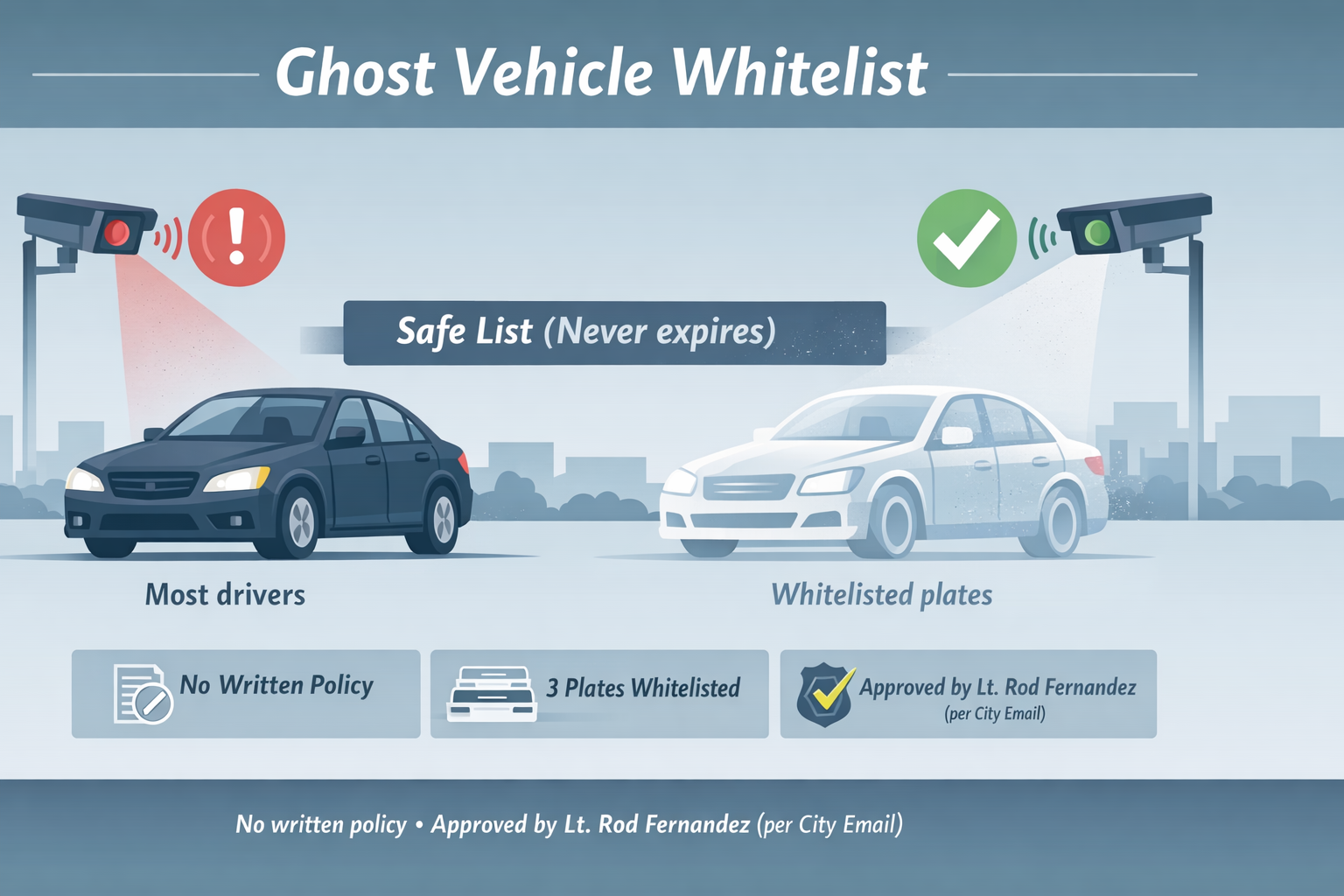
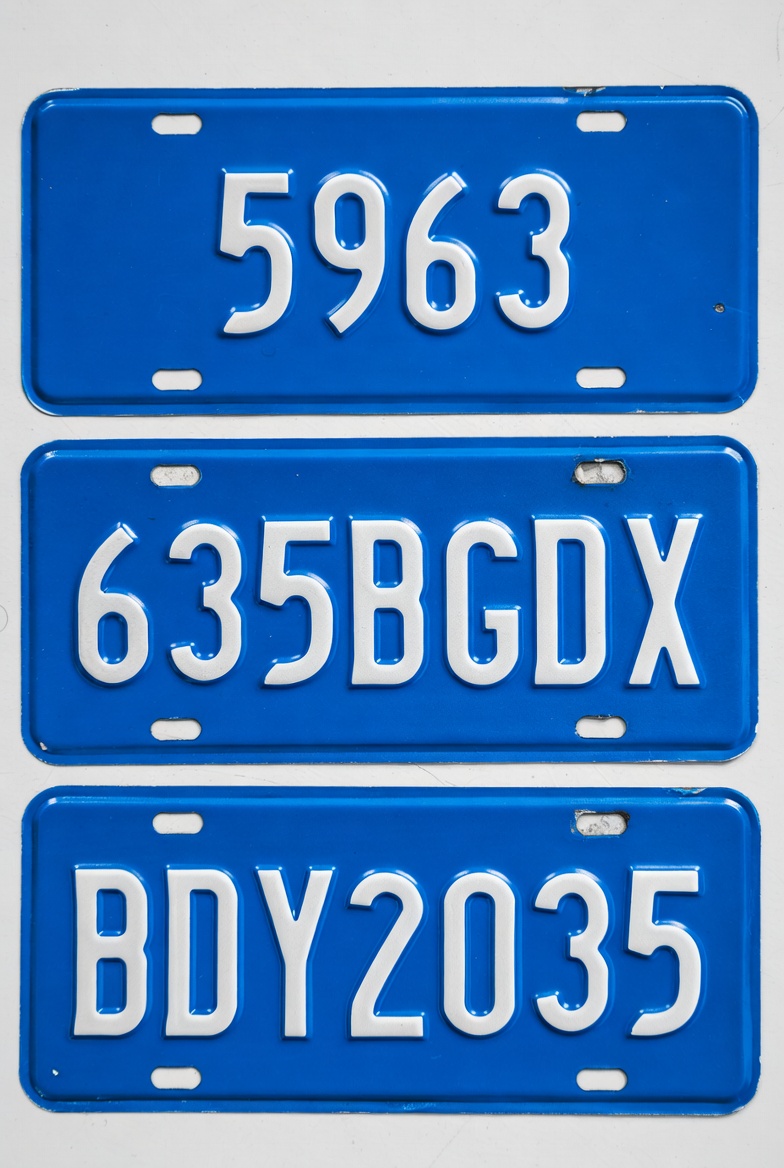
Public records show the City of Maryville used Flock’s “Safe List / Whitelist” to suppress alerts for three non-city license plates (
5963, 635BGDX, BDY2035).In a later written response, the City stated there are no written policies for suppressing plates, and that Lt. Rod Fernandez approved suppressing the plates.
A whitelist creates a two-tier ALPR system: some vehicles get “trusted” treatment while everyone else remains fully tracked.
FLOCK SAFETY ALPR IN MARYVILLE, TENNESSEE
The Flock Whitelist: How Maryville Created “Ghost Vehicles” Above the ALPR System
Through a Tennessee Public Records Act (TPRA) request, MaryvillePrivacy.org obtained records showing a Flock “Safe List / Whitelist” in Maryville — a feature that can mark selected plates as trusted and suppress alerts.
The City later confirmed the listed plates were not police or other city-owned vehicles, and later stated there are no written policies for suppressing plates.
👻 What “Ghost Vehicles” Means in an ALPR System
In Flock, a “Whitelist / Safe List / Exempt Vehicle List” can mark selected license plates as trusted. That typically means the plate can receive reduced alerting or suppression behavior inside the system, compared to ordinary residents’ vehicles.
- The City identified three plates on the Safe List:
5963,635BGDX,BDY2035. - The City confirmed those plates are not police or other city-owned vehicles.
- The City later stated there are no written policies for suppressing plates, and Lt. Rod Fernandez approved suppressing the plates.
Whitelist, Safelist, Exempt Vehicle List, Trusted Vehicle List, VIP List (informal), “Ghost Vehicle” list (informal).
🧾 Key written statements (dates included)
The following excerpts and screenshots are reproduced from City email responses referenced on this page.
5963 635BGDX BDY2035”

Lt. Rod Fernandez approved suppressing the listed plates.

5963, 635BGDX, BDY2035, with “Expires” set to “Never,” and City statements about ownership.🧾 The three plates
The City identified the following plates as the Safe List entries. The City also stated these are not police or other city-owned vehicles.
| # | License Plate | What the City stated |
|---|---|---|
| 1 | 5963 |
Listed on Safe List; stated to be not police or other city-owned vehicle. |
| 2 | 635BGDX |
Listed on Safe List; stated to be not police or other city-owned vehicle. |
| 3 | BDY2035 |
Listed on Safe List; stated to be not police or other city-owned vehicle. |
Note: Plate numbers are reproduced exactly as provided by the City in response to a TPRA request.
✅ The concept
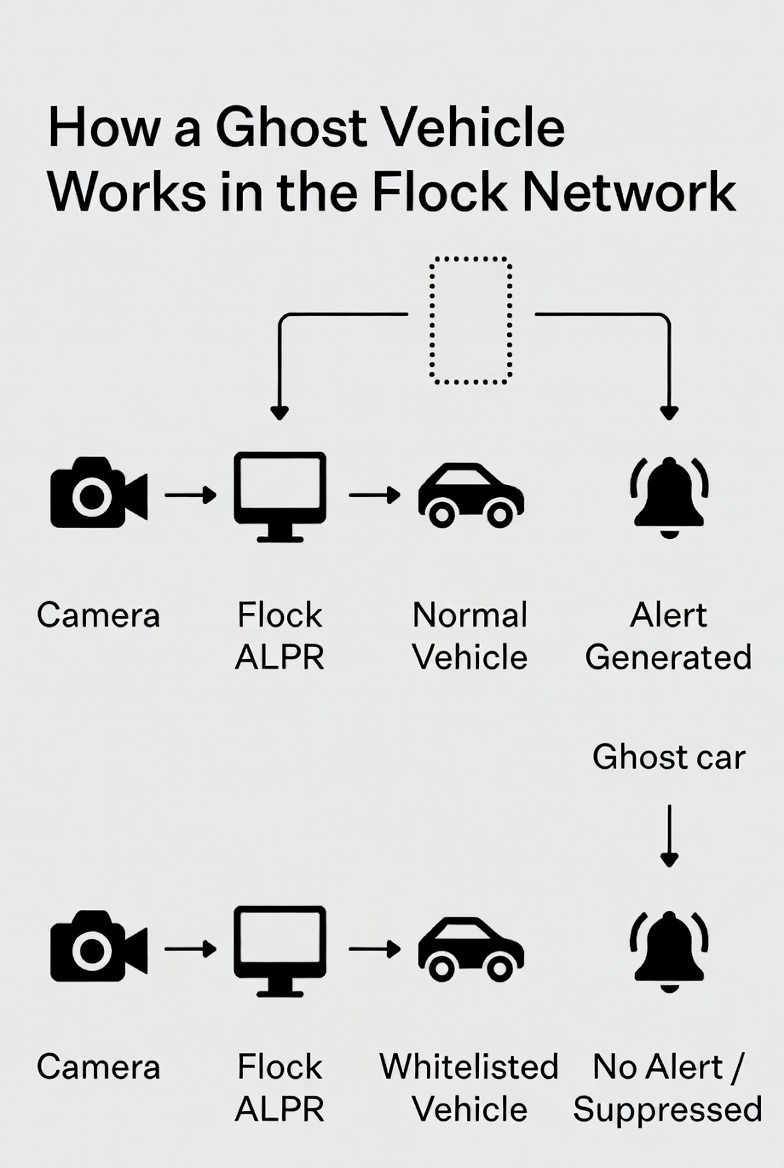
A whitelist (also called a Safe List or Exempt Vehicle List) is a feature that can mark a plate as trusted. In practice, that may mean:
- Reduced automated alerts or notifications for that plate.
- Different treatment inside the ALPR portal compared to ordinary residents’ plates.
- A practical ability for an agency to create “ghost-like” treatment for selected vehicles.
🧩 Visual: how “trusted” plates can bypass alerts
5963, 635BGDX, BDY2035.⚖️ A two-tier ALPR reality
- Tier 1: ordinary residents’ vehicles – fully scanned, logged, and available for searches and alerts.
- Tier 2: “trusted” or suppressed plates – less likely to trigger automated attention, alerts, or follow-up.
A two-tier system can be created for very different reasons, and without transparency the public cannot tell which explanation applies:
- Benign administrative reasons (temporary suppression to reduce noise, special events, misreads, internal testing).
- AI or data quality flaws (plate-only matching, state or plate-type context failures, misreads, collisions across states).
- Favoritism or unequal treatment (VIP exceptions, “do-not-stop” behavior, selective suppression without standards).
- What exactly does “suppressing” a plate do inside the Flock system (alerts, hotlists, notifications, officer-facing workflows)?
- What is the standard for adding a plate to the Safe List, and who has authority to approve it?
- Is there an audit log showing when each plate was added, by whom, and what reason or case number was attached?
- Are Safe List entries temporary by default, or can they be set to “Never” without review?
- How often is the Safe List reviewed, and who verifies entries are still justified?
- If the system shares data externally, does “trusted” status change how other agencies treat those plates?
Local context: Plate 5963 and the risk of false suspicion
Maryville public records show plate 5963 was placed on the Safe List even though the City later stated there is no written policy and no additional records to release beyond the Safe List screenshot. The City stated the plates were entered by a local officer.
Separately, HaveIBeenFlocked.com aggregates Flock “audit logs” released through public records. Those logs show how agencies search plates across the network and sometimes cite reasons like investigation+ or stolen license plate.
When workflows are “plate-number first” and context is weak or inconsistently enforced, the same plate characters can point to the wrong vehicle across state lines. Without clear verification requirements, a “hit” can be treated like an answer instead of a lead.
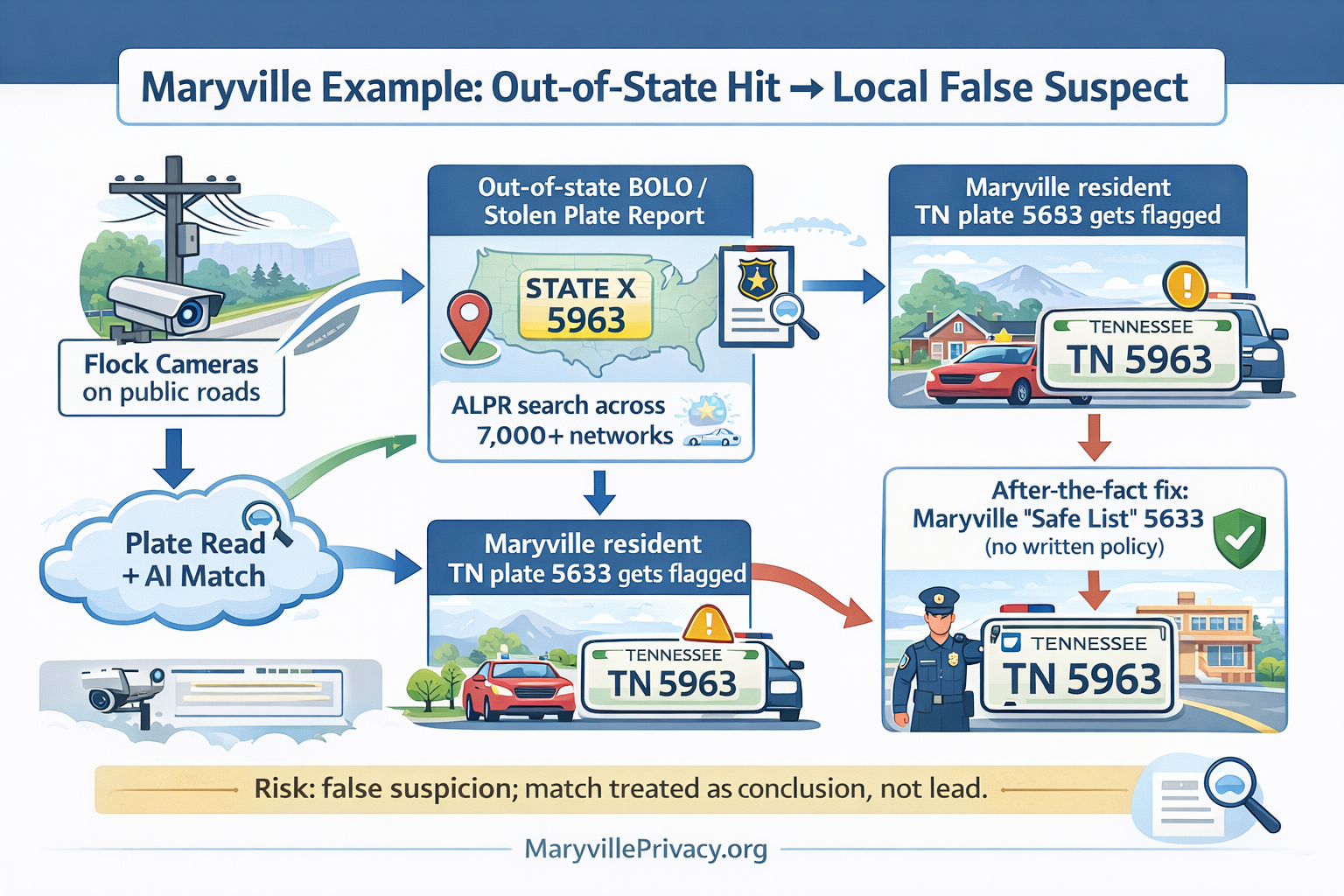
Maryville Privacy Assessment
Tier 2 plates can exist for multiple reasons, including benign administration, AI or data-quality flaws, or favoritism. The public problem is the same either way: without written standards, meaningful audit logs, and basic transparency, exemptions can quietly create unequal treatment and can also mask or “paper over” system errors. Plate 5963 appears to be a plausible example of how plate-only matching and imperfect context can generate false suspicion across states. A hit should be treated as a lead, not proof, and normal verification should never be replaced by software confidence.
📬 Copy/paste public-records request template
Many states exempt scanned plate detections but that is different from an agency’s manually-entered exemption list.
This template asks only for the whitelist/safelist configuration and related admin records.
“Pursuant to the [State Public Records Act], I request all documents, lists, exports, configuration records, or other records identifying license plates entered into the Flock Safety ‘Whitelist’, ‘Safelist’, ‘Safe List’, ‘Exempt Vehicle List’, ‘Trusted Vehicles’, or equivalent feature used by [Agency / City / Police Department].
This request does not seek ALPR detections, plate images, or scan history — only the manually entered exemption list and any records identifying the requesting/approving official(s) and any written policies governing whitelist use.”
Tip: ask the agency to confirm in writing if no responsive policy exists.
❓ Common questions about Maryville’s Flock whitelist
Are the three whitelisted plates official police cars?
5963, 635BGDX, and BDY2035 are not police or other city-owned vehicles.Does being whitelisted mean a car is never tracked?
Can regular residents ask to have their plate whitelisted?
What’s the significance of “no written policies”?
This page documents the Maryville, Tennessee Flock Safety whitelist (also called a Safe List, safelist, exempt vehicle list, or trusted vehicle list) obtained through Tennessee public-records requests. It summarizes City statements regarding three non-city plates placed on the list, the absence of a written suppression policy (as stated by the City), and why whitelist-style exemptions matter for accountability, equal treatment, auditability, and oversight in ALPR deployments.